

Synthetic Brush Production Costs: Why They’re Becoming More Affordable Than Natural Hairs
Synthetic Brush Production Costs: Why They’re Becoming More Affordable Than Natural Hairs
In the grooming industry, the shift toward synthetic shaving brushes has accelerated in recent years, and a key driver behind this trend is their growing affordability compared to natural hair alternatives. Once considered a budget-friendly substitute, synthetic brushes now rival natural hairs in performance while offering significant cost advantages. To understand why, we must examine the production dynamics of both materials—from raw material sourcing to manufacturing efficiency and market scalability.
Natural hair brushes, long prized for their softness and water retention, rely on materials like badger, boar, or mink hair. However, these sources come with inherent cost challenges. Natural hair is a finite resource, dependent on animal farming or wild harvesting, which is subject to seasonal fluctuations, regulatory restrictions, and ethical concerns. For example, high-quality badger hair, once a staple, now faces stricter wildlife protection laws in regions like Europe, limiting supply and driving up prices. Even farmed animal hairs require labor-intensive sorting: each hair must be inspected for length, thickness, and consistency, a process that demands skilled workers and time—adding to production costs.
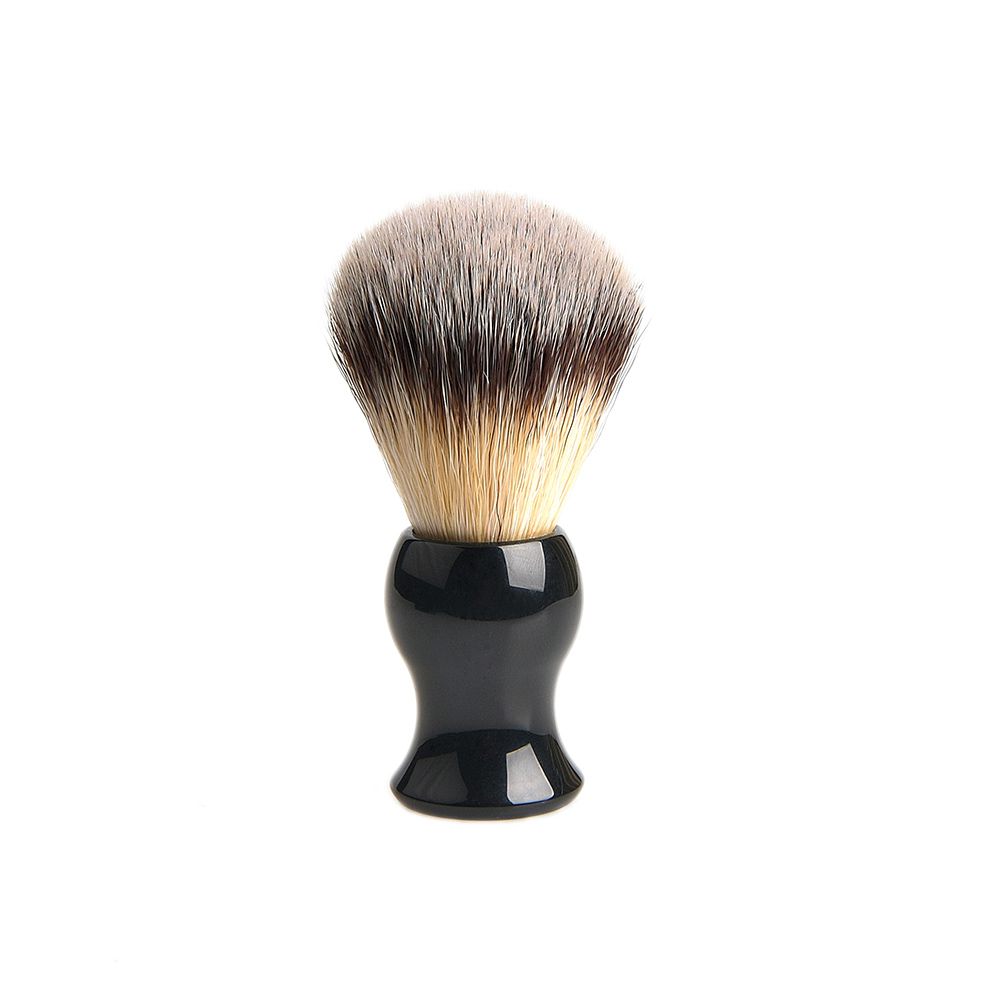
In contrast, synthetic brush filaments are derived from petroleum-based polymers like nylon, polyester, or PBT (polybutylene terephthalate). These raw materials are part of a global, industrialized supply chain, with stable pricing and abundant availability. Unlike natural hairs, synthetic filaments are not subject to biological variability; they can be engineered to precise specifications—length, diameter, and flexibility—using standardized formulas. This consistency eliminates the need for extensive manual sorting, reducing labor costs significantly.
Manufacturing efficiency further widens the cost gap. Natural hair brushes require delicate handling: hairs must be washed, disinfected, and hand-tied into knots to avoid breakage. This artisanal approach limits production speed and scales poorly, especially for large orders. Synthetic filaments, by comparison, are produced via extrusion: molten polymer is forced through dies to form uniform strands, which are then cut, shaped, and heat-treated—all in automated, high-speed生产线. Modern factories can produce millions of synthetic filaments daily with minimal human intervention, driving down per-unit costs through economies of scale.
Technological innovation has also played a pivotal role. Early synthetic brushes were criticized for being stiff or overly absorbent, but advances in material science have addressed these flaws. Today’s synthetic filaments mimic the microstructure of natural hair, with hollow cores for water retention and tapered tips for softness. These improvements not only enhance performance but also reduce production waste: synthetic materials are less prone to breakage during manufacturing, lowering scrap rates and saving on raw material usage.
Market demand has amplified these cost benefits. As consumer awareness of animal welfare grows, brands and consumers alike are shifting toward cruelty-free options, boosting demand for synthetic brushes. This increased volume allows manufacturers to invest in larger, more efficient production lines, further reducing costs. In contrast, natural hair demand has stagnated, keeping production volumes low and prices high.
Looking ahead, synthetic brushes are poised to become even more affordable. With ongoing R&D into bio-based polymers and recycled materials, the raw material costs of synthetics could decrease further, while natural hair prices will likely remain volatile due to supply constraints. For manufacturers and consumers, the message is clear: synthetic brushes now offer a cost-effective, high-performance alternative to natural hairs, driven by industrialized production, material innovation, and shifting market preferences.


